Over the last few months I've received quite a few letters about non-grain flours, and specifically what to cook on grain-free fasting days. This topic has come up before, and I know I have a posting for it somewhere in my archives. But there's no harm in re-presenting.
Here's my list of non-grain flours, some you may not have encountered.
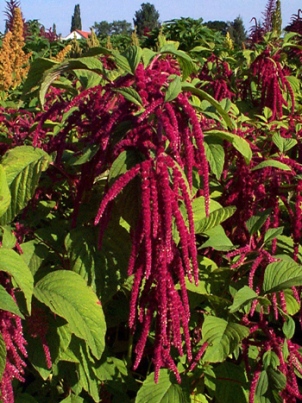 Amaranth flour: Milled from the seeds of the amaranth plant, this flour boasts a higher percentage of protein than most other grains, and has more fibre than wheat and rice. It is also higher in the amino acid lysine, which some food scientists believe makes it a more complete protein than flour made from other grains. Amaranth flour can be used in cookies, crackers, baking mixes, and cereals.
Arrowroot flour: The rootstalks of a tropical plant are the source of this flour, often used as a thickener for sauces and desserts; the finely powdered arrowroot turns completely clear when dissolved (giving gloss to sauces), and adds no starchy flavor. Because of its easy digestibility, it is also an used as an ingredient in cookies intended for infants and young children. I use it as a grain-free substitute to corn flour (cornstarch for all US readers).
Buckwheat flour: A common ingredient in pancake mixes, buckwheat flour is also used to make Japanese soba noodles. It is available in light, medium, and dark varieties (the dark flour boasts the strongest flavor), depending on the kind of buckwheat it is milled from. You can make your own buckwheat flour by processing whole white buckwheat groats in a blender or food processor.
Chestnut flour: This tan flour is made from chestnuts, the meaty, lowfat nuts that are often served as a vegetable. The flour is a little sweet and is traditionally used in Italian holiday desserts. Italian shops sell it.
Potato flour (potato starch): Steamed potatoes are dried and then ground to a powder to make this gluten-free flour, which is commonly used in baked goods for Jewish Passover (when wheat flour may not be used).
Quinoa flour: Higher in fat than wheat flour, quinoa flour makes baked goods more moist. You can make your own quinoa flour by processing whole quinoa in a blender; stop before the flour is too fine - it should be slightly coarse, like cornmeal.
Tapioca flour: Milled from the dried starch of the cassava root, this flour thickens when heated with water and is often used to give body to puddings, fruit pie fillings, and soups. It can also be used in baking.
Water-chestnut flour (water-chestnut powder): This Asian ingredient is a fine, powdery starch that is used to thicken sauces (it can be substituted for cornstarch) and to coat foods before frying to give them a delicate, crisp coating.
I am sure this is not a complete list. I also encountered flatbreads made from banana flour whilst in India. If anyone has any more to add to this list, let me know.
.
Here's my list of non-grain flours, some you may not have encountered.
Amaranth flour: Milled from the seeds of the amaranth plant, this flour boasts a higher percentage of protein than most other grains, and has more fibre than wheat and rice. It is also higher in the amino acid lysine, which some food scientists believe makes it a more complete protein than flour made from other grains. Amaranth flour can be used in cookies, crackers, baking mixes, and cereals.Arrowroot flour: The rootstalks of a tropical plant are the source of this flour, often used as a thickener for sauces and desserts; the finely powdered arrowroot turns completely clear when dissolved (giving gloss to sauces), and adds no starchy flavor. Because of its easy digestibility, it is also an used as an ingredient in cookies intended for infants and young children. I use it as a grain-free substitute to corn flour (cornstarch for all US readers).
Buckwheat flour: A common ingredient in pancake mixes, buckwheat flour is also used to make Japanese soba noodles. It is available in light, medium, and dark varieties (the dark flour boasts the strongest flavor), depending on the kind of buckwheat it is milled from. You can make your own buckwheat flour by processing whole white buckwheat groats in a blender or food processor.
Chestnut flour: This tan flour is made from chestnuts, the meaty, lowfat nuts that are often served as a vegetable. The flour is a little sweet and is traditionally used in Italian holiday desserts. Italian shops sell it.
Potato flour (potato starch): Steamed potatoes are dried and then ground to a powder to make this gluten-free flour, which is commonly used in baked goods for Jewish Passover (when wheat flour may not be used).
Quinoa flour: Higher in fat than wheat flour, quinoa flour makes baked goods more moist. You can make your own quinoa flour by processing whole quinoa in a blender; stop before the flour is too fine - it should be slightly coarse, like cornmeal.
Tapioca flour: Milled from the dried starch of the cassava root, this flour thickens when heated with water and is often used to give body to puddings, fruit pie fillings, and soups. It can also be used in baking.
Water-chestnut flour (water-chestnut powder): This Asian ingredient is a fine, powdery starch that is used to thicken sauces (it can be substituted for cornstarch) and to coat foods before frying to give them a delicate, crisp coating.
I am sure this is not a complete list. I also encountered flatbreads made from banana flour whilst in India. If anyone has any more to add to this list, let me know.
.


.jpg)
.jpg)
.jpg)

